
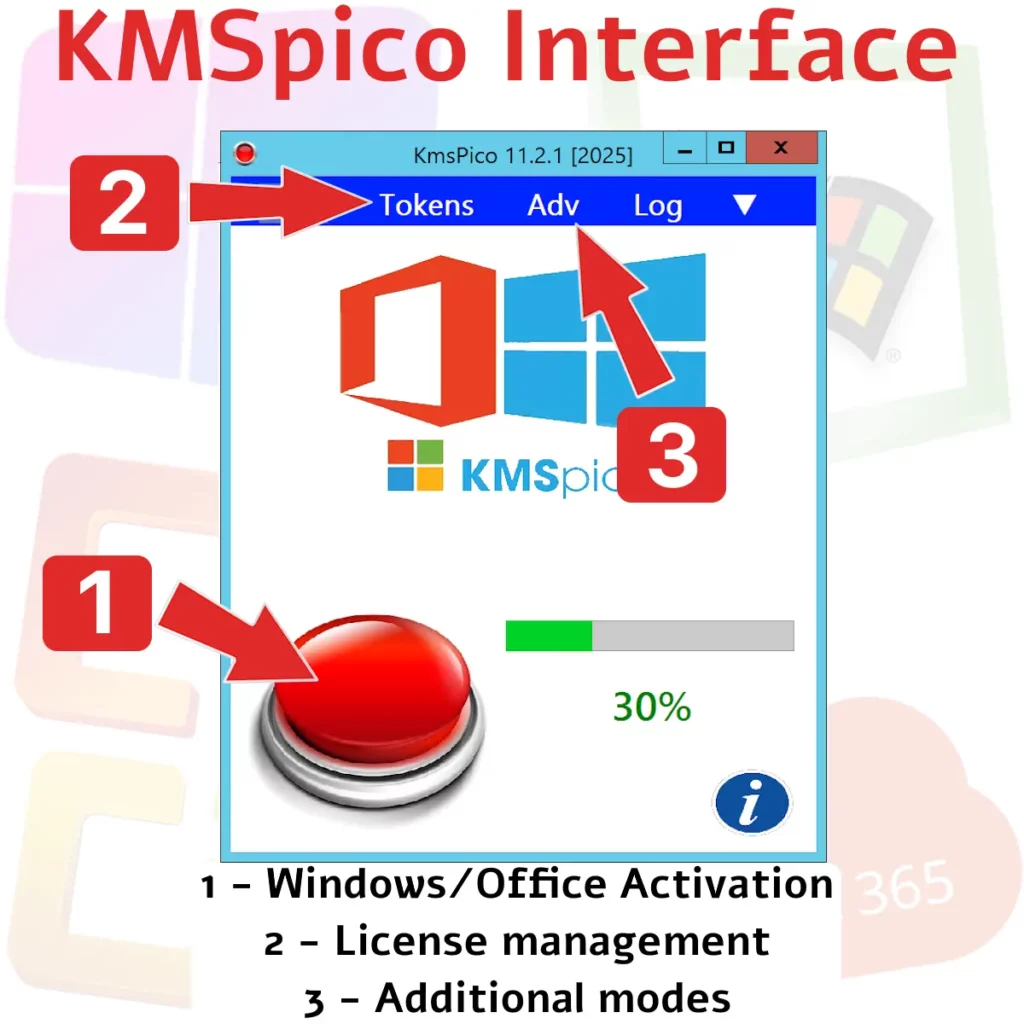
Windows 11 offers a myriad of features, but its licensing can be cumbersome for many users. As a Software Licensing Specialist, navigating the intricacies of software activation is crucial. One tool that frequently surfaces in discussions is kms auto win 11, which promises to streamline Windows licensing processes. Understanding the balance between security and accessibility is vital for effective license management.
Understanding KMS Auto Win 11
KMS (Key Management Service) auto tools have been a prevalent solution for bypassing traditional activation hurdles in various Windows versions, from Windows 7 activator options to more recent iterations. Kms auto win 11 represents an evolution aimed at simplifying the activation process while maintaining system integrity. However, this approach comes with legal and ethical considerations that cannot be ignored.
The Mechanism Behind KMS Auto Win 11
Kms auto win 11 operates by emulating a local server that tricks Windows into treating it as an official activation authority. This method leverages the same principles as other tools like kmspico windows 7 and aktivasl windows 10 kmspico but is optimized for the latest Windows OS iteration. Despite its utility, the reliance on such tools raises questions about security and compliance.
Security Implications of Using KMS Auto Win 11
While kms auto win 11 offers a quick fix, it can expose systems to security vulnerabilities. The nature of these tools requires them to alter system files or disable certain security settings, which can leave machines exposed to malware or unauthorized access. For organizations prioritizing cybersecurity, relying solely on legitimate product keys and official channels remains paramount.
Legal Considerations Surrounding KMS Auto Win 11
Using kms auto win 11 might seem appealing due to cost savings, but it often contravenes Microsoft’s licensing agreements. Unauthorized usage could lead to potential legal repercussions and software audits that can disrupt business operations. Ensuring adherence to official licensing terms should always be prioritized over temporary shortcuts.
Comparative Analysis: KMS Auto vs Official Activation Tools
The choice between using kms auto win 11 and official methods like entering a valid product key revolves around risk tolerance. Official tools ensure compliance and are supported by Microsoft in case of issues. While activation tools such as DISM offer comprehensive solutions for license management across networks, they require more technical knowledge and resources than automatic solutions like kms activator windows 10.
Benefits of Using Official Activation Methods
- Enhanced security with support from Microsoft.
- No legal risks associated with software audits.
- Consistent updates and patches without interruption.
KMS Auto Win 11: Pros and Cons
- Pros:
- Simplifies the activation process for users without technical expertise.
- Potentially reduces costs associated with purchasing multiple licenses.
- Cons:
- Risk of security threats due to altered system settings.
- Legal challenges stemming from non-compliance with licensing agreements.
The Technical Setup for Activating Win 11
When using kms auto win 11, setting up a controlled testing environment is recommended to assess its impact before deployment. For example, using a virtual machine (VM) with constraints such as a configuration of 2 vCPUs and 4 GB RAM helps evaluate performance impacts without risking primary systems. Additionally, taking regular snapshots allows one to revert changes swiftly if needed.
Ensuring Compliance While Using KMS Auto Win 11
If considering the use of kms auto win 11 within an organization, implementing strict monitoring protocols is essential. Regular audits and system checks will help manage any unauthorized activities that could compromise network integrity. It’s also advisable to maintain open communication with IT teams about potential risks versus benefits when opting for alternative activation solutions.
User Experiences with KMS Auto Win 11
Anecdotal evidence suggests varied experiences among users who have tried kms auto win 11. Some report seamless activation processes that save time and resources, particularly in educational institutions or small businesses where budget constraints are significant. However, others caution against potential pitfalls such as unexpected deactivations or compatibility issues with future updates from Microsoft.
The role of user community forums cannot be underestimated in this context; they serve as vital platforms where individuals share their insights on troubleshooting common problems related to kms auto win 11 usage. Engaging with these communities not only enriches understanding but also provides practical solutions drawn from real-world scenarios experienced by diverse users globally.
KMS Auto Win 11: A Practical Approach
Navigating the complexities of Windows licensing through tools like kms auto win 11 requires careful consideration of both practical benefits and inherent risks. Organizations must weigh immediate operational needs against long-term strategic goals to achieve optimal outcomes. By fostering ongoing dialogue within IT departments about evolving technological landscapes, companies can develop adaptive strategies that integrate both official licensing channels and innovative solutions where appropriate.
This balanced approach not only mitigates potential legal risks but also ensures that systems remain secure against emerging cyber threats while leveraging cost-effective methods for software management. As technology continues to evolve rapidly, staying informed about developments in software activation tools will empower organizations to make informed decisions aligned with their unique priorities.
Conclusion: Finding the Right Balance
Kms auto win 11 presents both opportunities and challenges in Windows licensing management. By weighing its convenience against potential legal and security ramifications, organizations can make informed decisions that align with their operational goals and compliance mandates. As technology evolves, staying informed about both official avenues and emerging tools will be vital in navigating the complex landscape of software activation effectively.
Ultimately, whether one opts for kms auto win 11 or chooses official channels depends on numerous factors including organizational priorities regarding cost-efficiency versus compliance assurance. Continual dialogue within IT departments about evolving needs ensures adaptive strategies are developed—balancing immediate operational requirements with long-term strategic goals remains crucial in today’s dynamic technological environment.